
Song
Dwelling Places
© New Glory International
Behind the song
The story behind Dwelling Places
Written by
Miriam Webster
Terry MacAlmon context
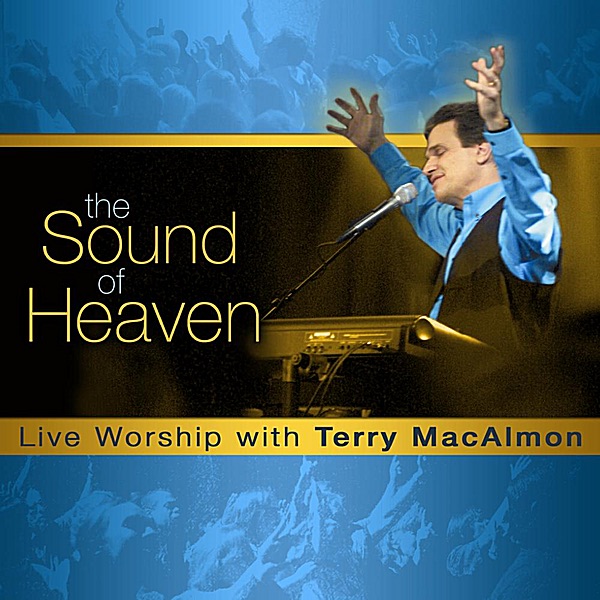
Recorded by Terry in World Prayer Center worship and on The Sound of Heaven
Dwelling Places, written by Miriam Webster, closes this collection with a theme that could also summarize Terry MacAlmon's ministry: hunger for God Himself. The song carries the language of Psalm 84 - longing for God's dwelling place, thirsting after Him, finding joy and reward in Jesus, and responding with wholehearted love.
Terry did not write the song, but it sits naturally among his own compositions because it expresses the same priority he has taught for decades. Worship begins with wanting God. Not merely wanting what He can give, not wanting a powerful meeting for its own sake, but wanting Him. Terry has said that one of the keys to entering God's presence in worship is wholehearted desire, joined with a willingness to wait. Dwelling Places gives that desire a melody.
The song appeared in Terry's World Prayer Center worship and on The Sound of Heaven, and its quiet intensity makes it a natural bridge from corporate singing into personal devotion. The worshipper does not stand at a distance admiring God's house; the heart wants to dwell near Him and follow wholly after Him.
That is why this song belongs so comfortably in Terry's story. His ministry has always insisted that music is not the destination. Even the most beautiful worship song is only a vehicle. The destination is the Lord Himself. Dwelling Places ends where true worship always ends: not with a song successfully completed, but with a heart still pursuing God, still loving Him and still longing to remain in His presence.
Watch
Dwelling Places
Official Terry MacAlmon YouTube channel
The Sound of Heaven grew out of the expanding worship gatherings that followed the World Prayer Center years and the first Pikes Peak Worship Festival in Colorado Springs. By 2004 Terry MacAlmon's live recordings were reaching people far beyond the room in which they were recorded, yet the heart of the ministry remained unchanged: gather people, exalt Jesus and allow worship to rise freely.
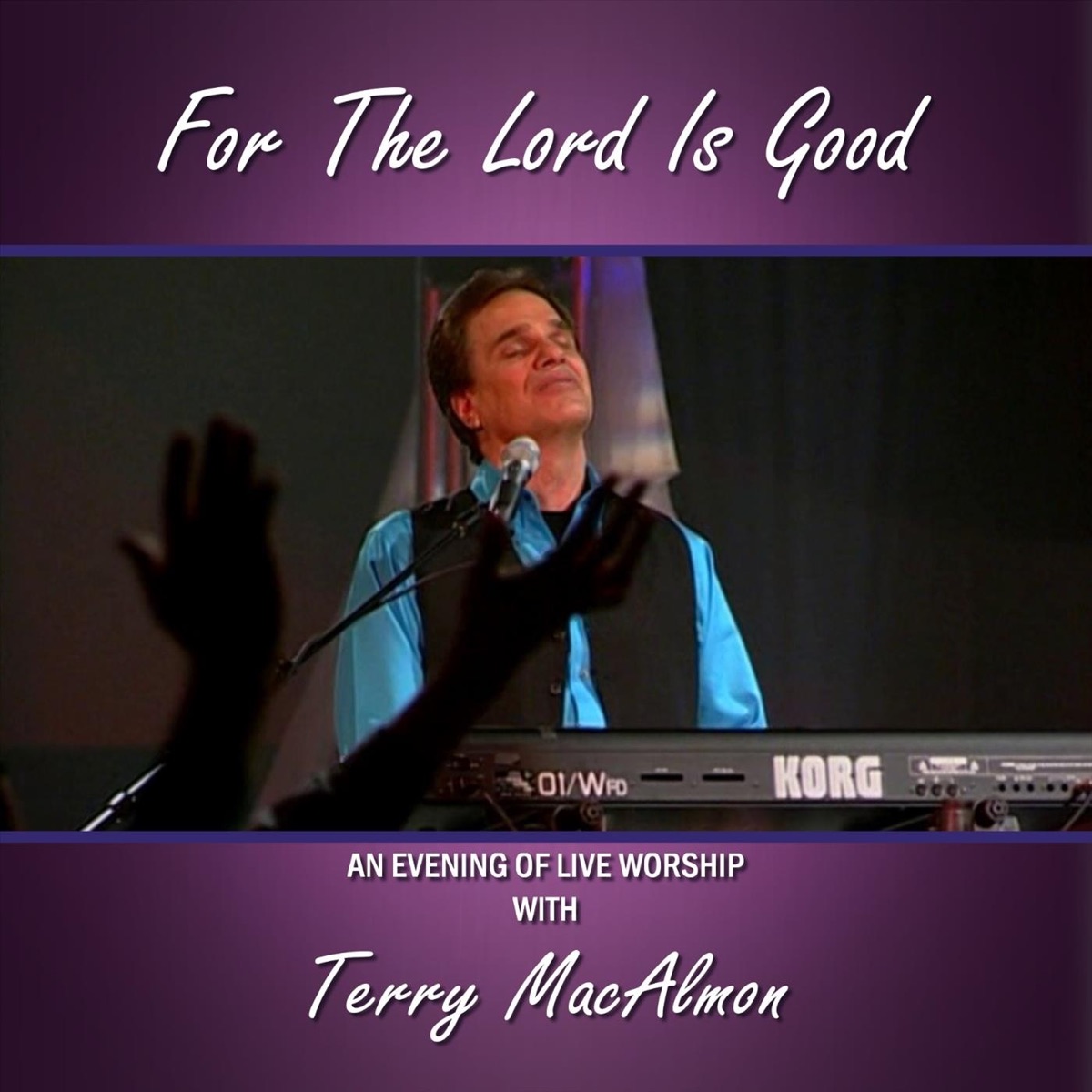
The title expresses Terry's vision for the album. The sound of heaven is the sound of the redeemed giving worship back to their Savior. That idea is heard throughout the recording. For the Lord Is Good begins with celebration, followed by Here I Am to Worship and I Stand in Awe. Then the title track opens into a broader picture of worship rising from God's people. Dwelling Places and So Beautiful move into intimacy, while The Lamb Is Worthy and O the Glory turn the focus again toward the majesty and holiness of God.
My God and King carries that same devotion into a personal confession before How We Need the River closes the album as a prayer for the renewing flow of God's Spirit. The journey is deliberate: praise becomes adoration, adoration becomes hunger, and hunger becomes prayer.
The Sound of Heaven also reflects the freedom Terry has always valued in live worship. Songs are not rushed simply to reach the next track. There is room for response, for the congregation to sing and for worship to develop beyond a strict performance structure. The album captures hundreds of voices becoming one voice - a picture of people from different backgrounds turning together toward the same Savior and offering Him their worship.